Leisure Crafting – How Creativity Shapes Modern Travel
What Is Leisure Crafting?
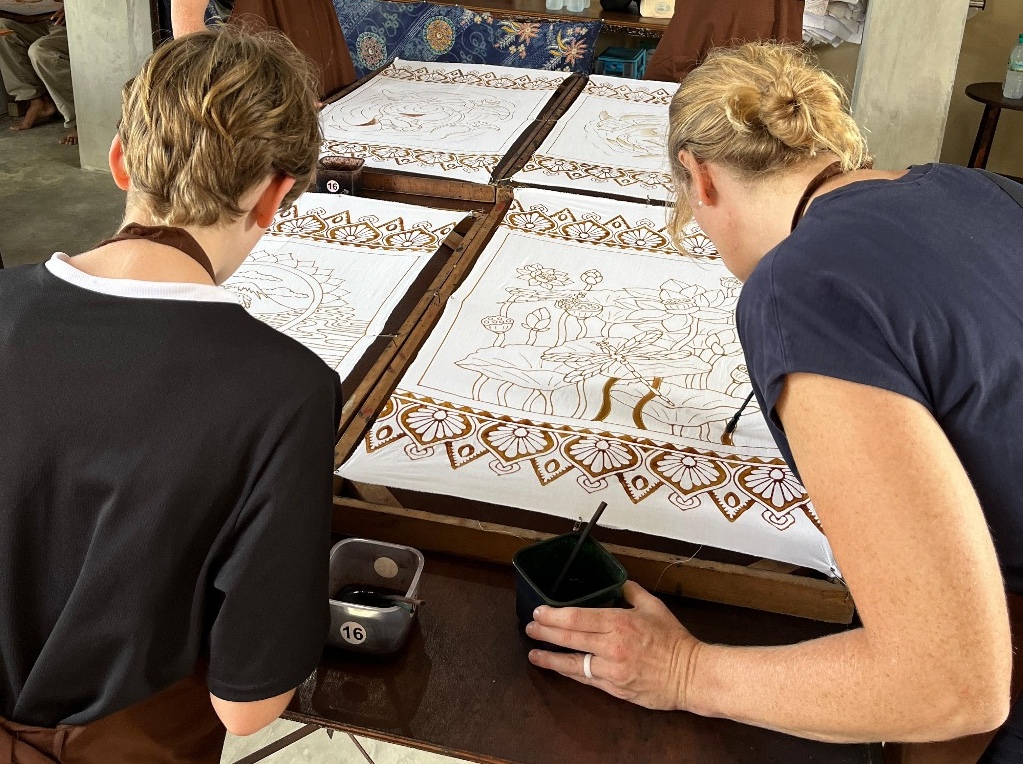
Leisure crafting is a growing travel trend where creativity becomes part of the journey itself. Instead of only visiting landmarks, travelers join hands-on experiences that invite them to make, design or learn something new. It blends creativity, relaxation and local culture. Whether it’s pottery in Ibiza, batik in Bali or wood carving in Japan, leisure crafting gives meaning to free time through connection and imagination. It’s part of a wider movement within slow travel, where experiences replace schedules and every action feels intentional.
A New Kind of Free Time
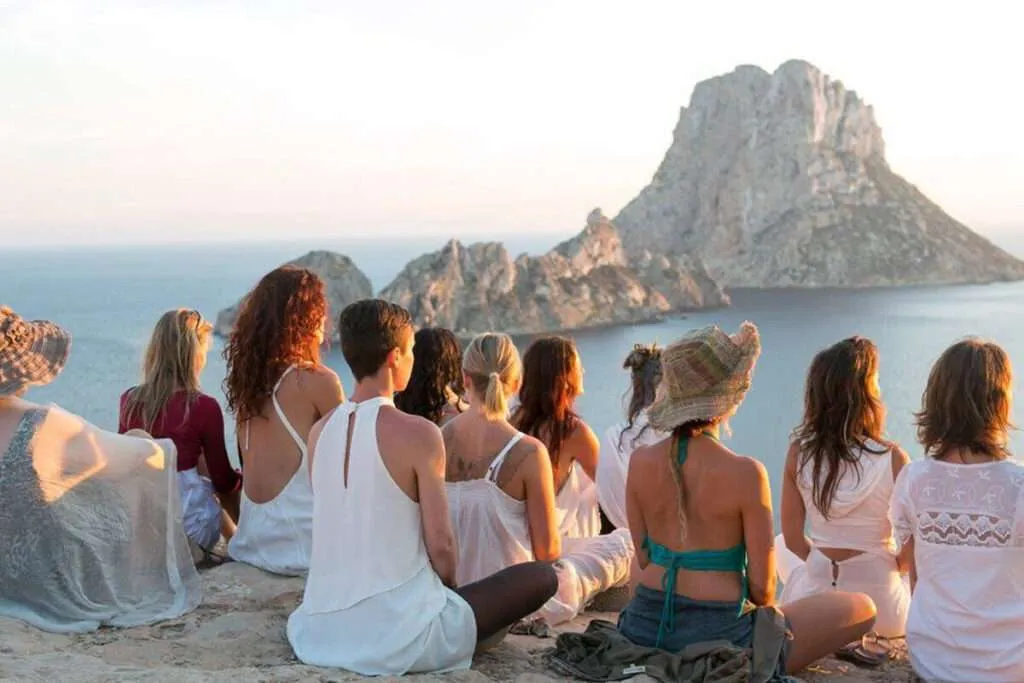
In traditional tourism, leisure often meant rest or entertainment. Leisure crafting changes that idea. Travelers now look for purposeful breaks — moments that calm the mind but also awaken creativity. Because of this, leisure crafting bridges wellness & health travel and cultural exploration. A simple afternoon workshop can offer the same sense of presence as a yoga session or nature walk. Moreover, it allows people to bring home not just souvenirs, but stories they shaped themselves.
From Observation to Participation
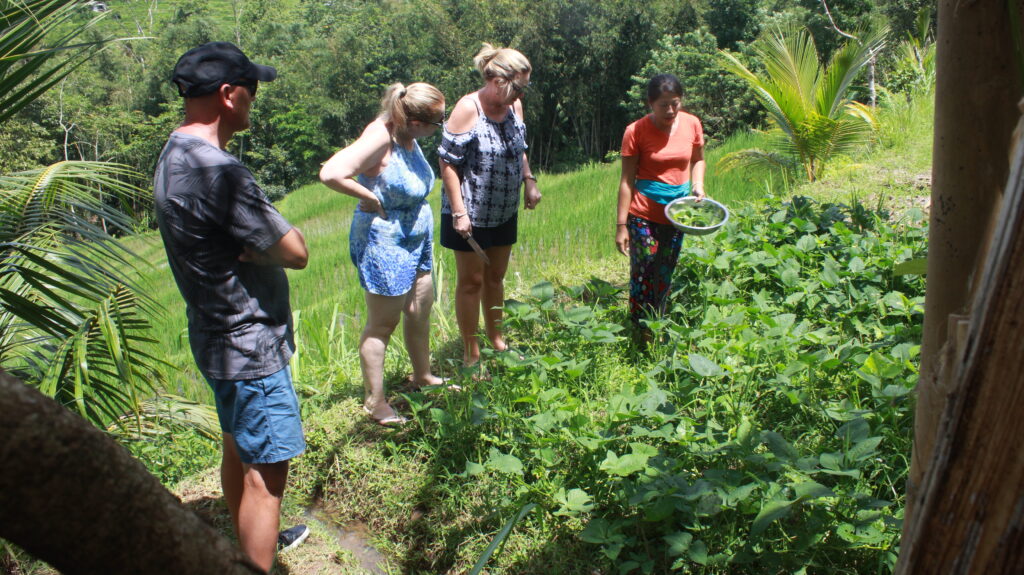
Leisure crafting transforms travel from passive observation into active participation. Travelers move beyond watching local life and start joining it. In a cooking class on a Balinese rice terrace or a textile workshop in rural Spain, creativity becomes a form of dialogue. Each project tells part of the destination’s story. These activities belong to the wider field of niche & thematic tourism, where every experience connects visitors with place, tradition and people. Because of this, leisure crafting strengthens the human side of travel.
Where Leisure Crafting Comes Alive
Across the world, destinations are shaping experiences around local artistry:
- Bali: Batik dyeing, wood carving and eco-design workshops that blend creativity with spirituality.
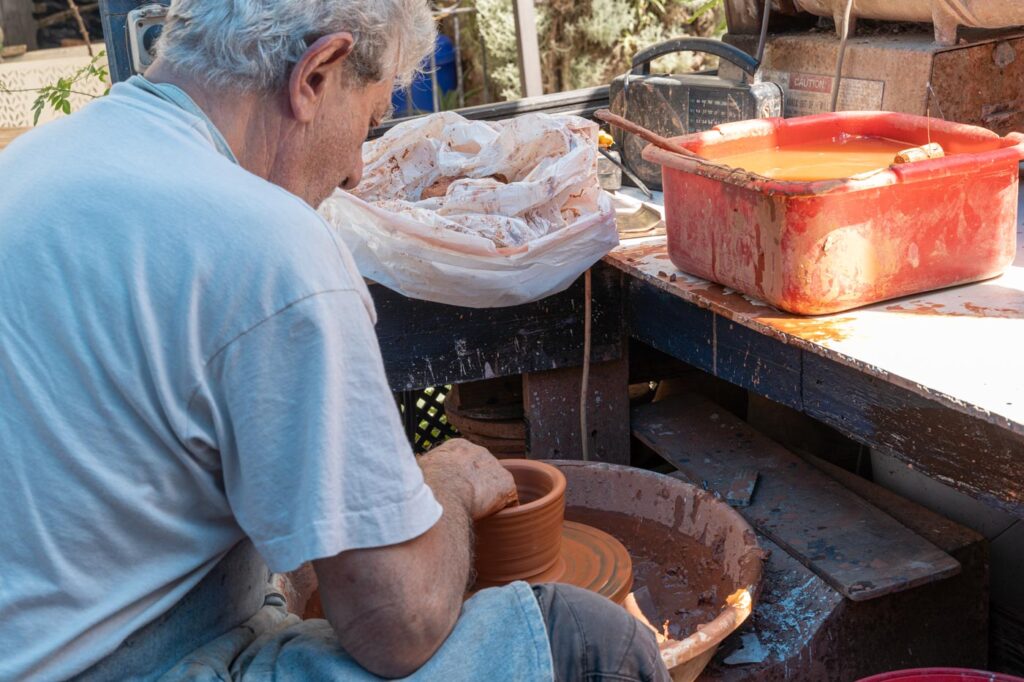
- Ibiza: Pottery studios, upcycling retreats and herbal workshops linked to the island’s slow rhythm.
- Japan: Ceramics villages such as Mashiko and Bizen where travelers work beside generations of artisans.
- Scandinavia: Nature-based crafts — textile weaving, foraging, and outdoor design inspired by forest living.
Each of these examples shows how leisure crafting merges with unique stays and creative spaces. Boutique retreats often host resident artists or seasonal programs, giving travelers a place to rest, learn and connect.
Local Connection Through Creative Work
The heart of leisure crafting lies in community. Many experiences take place in small studios, family workshops or rural co-operatives. Travelers learn from locals who preserve centuries-old techniques. This shared creation builds authentic contact — a quiet conversation between visitor and host. Moreover, it supports local economies in a sustainable way. Because the focus is on participation rather than mass production, the impact stays light and positive. In that sense, leisure crafting aligns naturally with sustainable travel and conscious tourism values.
The Emotional Benefit of Making Something
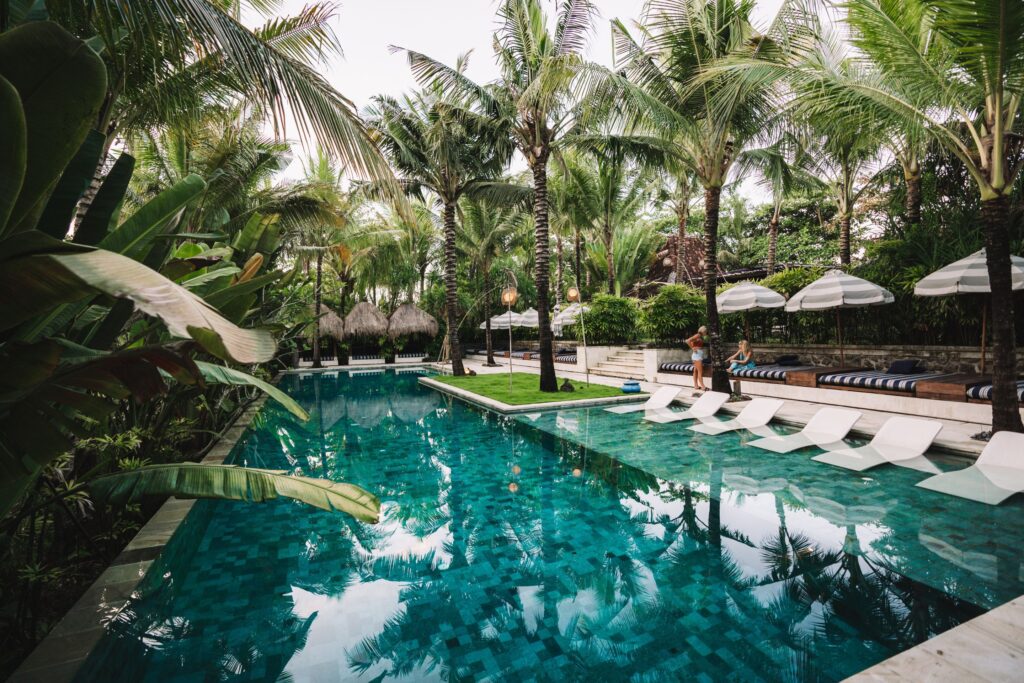
Leisure crafting offers more than a finished object. The process itself becomes restorative. Working with hands slows thought, sharpens focus and encourages mindfulness. Travelers often describe these workshops as meditative moments within their journey. After long days of movement, creating something tangible brings balance. Therefore leisure crafting is increasingly seen as part of wellness travel — a creative form of self-care that complements spa rituals or digital detox retreats. It reminds us that slowing down can also mean shaping something real.
Integrating Creativity Into the Travel Experience
Many travel companies and boutique hotels now design programs around leisure crafting. A retreat might combine morning yoga, local cooking and evening art sessions. City hosts include short workshops within walking tours, while rural lodges offer farm-to-table classes and seasonal projects. Because the format is flexible, it adapts to every destination. Travelers can join for an hour or stay for a week. What matters most is the experience of making, sharing and learning — a small creative pause inside a larger adventure.
Leisure Crafting and the Slow Travel Movement
The rise of leisure crafting reflects a broader cultural shift. Travelers want more meaningful use of time, not necessarily more activity. This mirrors the essence of slow travel: moving at a pace that allows discovery, reflection and connection. Instead of collecting sights, people collect experiences. Moreover, creative travel reduces the distance between visitor and destination. It turns travel into collaboration. As a result, leisure crafting is becoming a cornerstone of modern slow tourism — personal, mindful and deeply human.
How to Start Your Own Leisure Crafting Journey
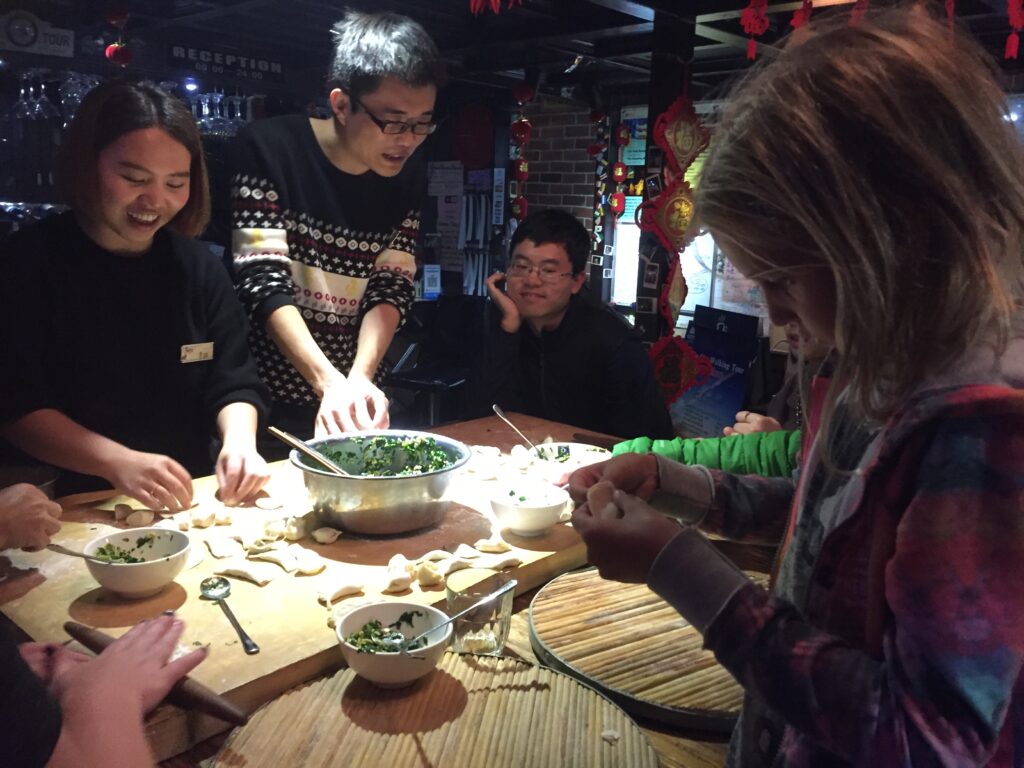
Exploring leisure crafting doesn’t require artistic skill. It simply asks curiosity. Start by choosing a destination known for its local craftsmanship. Search for workshops that value process over perfection. Combine these experiences with unique stays or wellness-oriented retreats that encourage creativity. Before traveling, learn a little about local materials or techniques — it will deepen your appreciation. Afterward, carry that sense of creation home. The goal is not to master a craft, but to remember how it felt to make something slowly.
Shaping Travel Through Creativity
Leisure crafting represents a new dimension of travel — one that values intention over speed and creation over consumption. It’s a reminder that free time can be meaningful when shaped by our own hands. As more destinations embrace craft-based leisure, travelers gain the chance to connect deeply with local culture and with themselves. In the end, leisure crafting turns travel into a creative dialogue between people, places and the quiet art of making time worthwhile.