
Things To Do In Raja Ampat
Exploring Raja Ampat: reefs, islands, and remote beauty
Raja Ampat lies in West Papua and is known as one of the most biodiverse marine regions on Earth. The archipelago includes hundreds of islands, turquoise lagoons, and coral reefs alive with color. Travelers come for world-class diving, remote beaches, and a peaceful rhythm that feels far from everywhere else. This guide highlights the most memorable things to do in Raja Ampat, from iconic viewpoints to quiet bays where the only sound is the sea.
Piaynemo Viewpoint – Classic Raja Ampat Highlights
The Piaynemo viewpoint offers one of Indonesia’s most photographed landscapes. Wooden steps lead up to a platform overlooking a cluster of limestone karsts scattered across clear water. Early morning light reveals shades of blue and green. Visiting Piaynemo is considered one of the essential Raja Ampat highlights for first-time travelers.
Snorkeling and Diving – Underwater Things To Do in Raja Ampat

Raja Ampat’s reefs are among the richest in the world. Sites around Waigeo, Misool, and Gam Island reveal coral walls where manta rays, turtles, and schools of colorful fish move in strong currents. Even shallow reefs host incredible life, making snorkeling nearly as rewarding as diving. Experiencing these underwater ecosystems is one of the most unforgettable things to do in Raja Ampat.
Diving Tips
- Currents vary; choose operators with strong safety standards.
- Peak visibility runs from October to April.
- Many dive sites suit beginners, though drift dives require experience.
Misool – Remote Islands and Lagoon Exploration
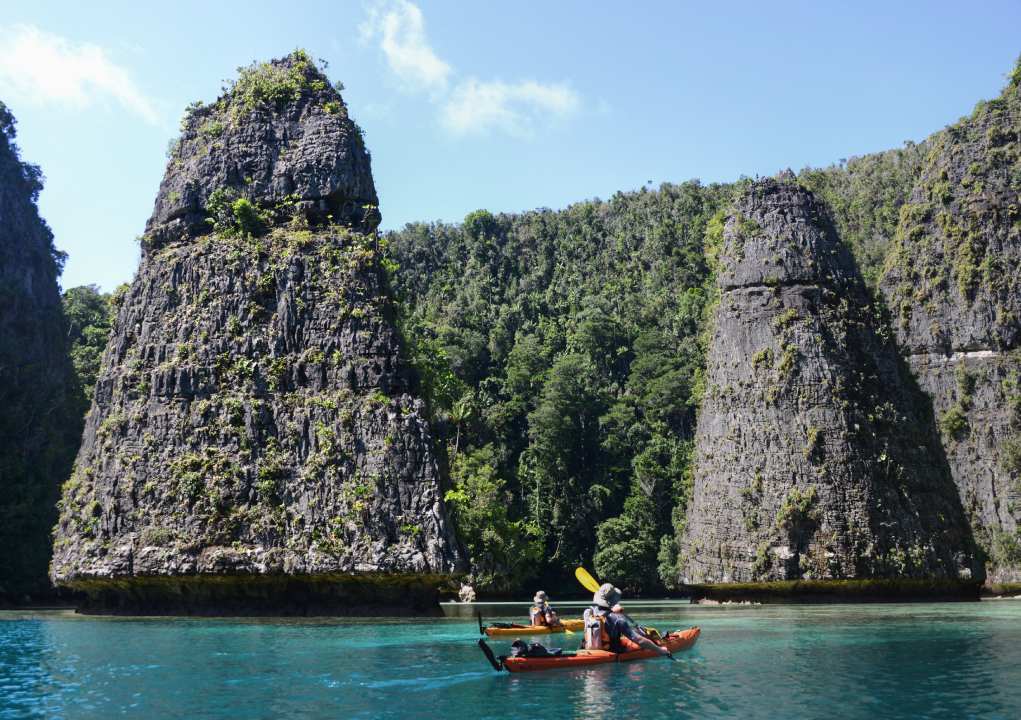
The southern region of Misool feels untouched. Hidden lagoons, narrow channels, and quiet bays create dreamlike scenery. Kayaking through limestone formations reveals calm water, mangroves, and dramatic cliffs. Misool’s marine reserve protects large areas of reef, allowing fish populations to thrive. Exploring this region offers a deeper understanding of Raja Ampat’s natural beauty.
Kabui Bay and Hidden Lagoons
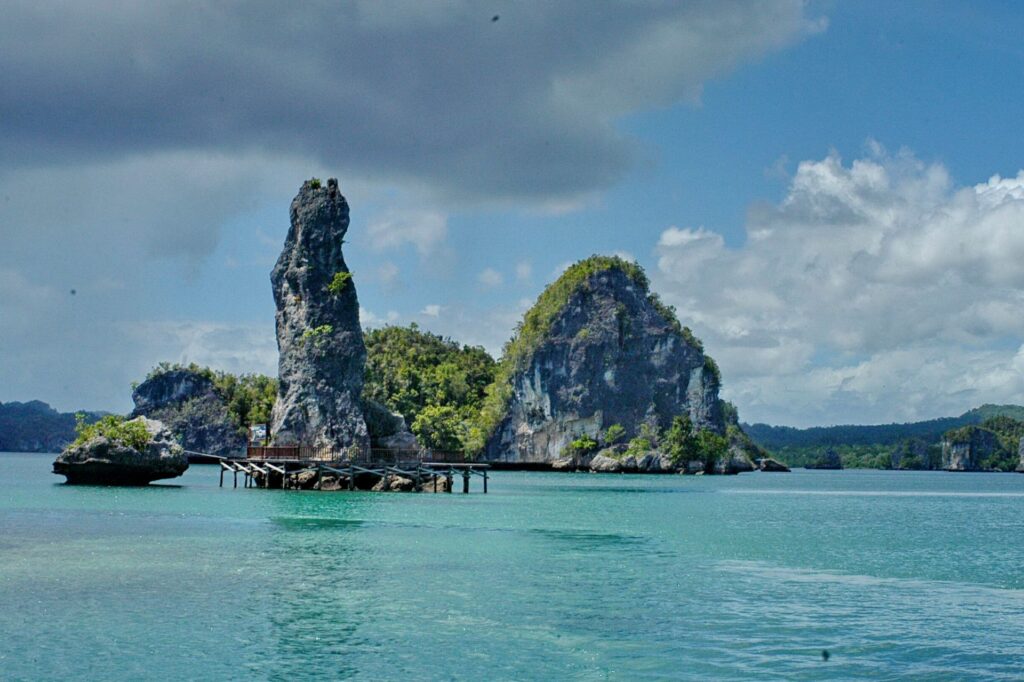
Between Waigeo and Gam Island lies Kabui Bay, known for its karst towers and emerald water. Small boats weave through narrow passages that open into hidden lagoons. Wildlife such as hornbills, sea eagles, and reef sharks appear around the bay. A slow cruise here remains one of the calmest things to do in Raja Ampat, perfect for travelers who enjoy scenery over speed.
Arborek Village – Culture in Raja Ampat
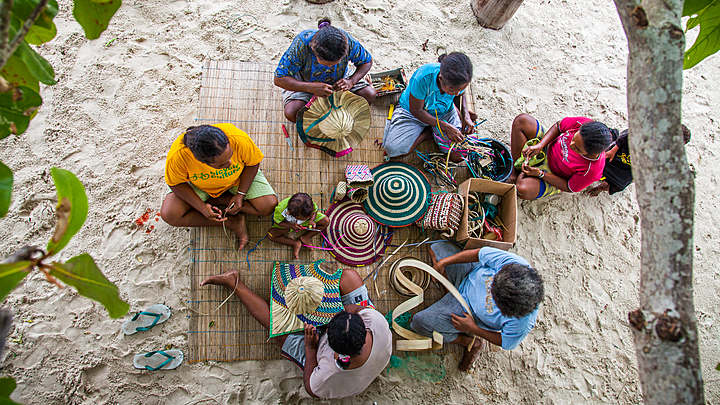
Arborek Village, a small community known for traditional handicrafts, welcomes visitors who want to learn about Papuan culture. Women weave bags and mats, and children play near the jetty. The surrounding reef is excellent for snorkeling, with vibrant coral just steps from shore. Spending time in Arborek shows another side of life in Raja Ampat, where nature and community remain closely linked.
Birds of Paradise Watching

Raja Ampat’s forests are home to iconic Birds of Paradise, especially on Waigeo. Early-morning treks lead to viewing platforms where males display bright feathers during their courtship dances. Spotting these rare birds is one of the most unique things to do in Raja Ampat, combining wildlife observation with quiet moments in the forest.
Kayaking, SUP, and Gentle Exploration

Because the water is calm around many islands, kayaking and paddleboarding are excellent ways to explore shallow bays and coral flats. These low-impact activities offer close views of marine life without disturbing the environment. Gliding past mangroves and limestone cliffs is one of the most peaceful Raja Ampat experiences.
Visiting Blue River – A Natural Hidden Gem

Near Waisai, the Blue River (often called Kali Biru) flows through dense forest. Its water is crystal clear and bright blue, creating a serene atmosphere. Small wooden walkways pass through the jungle, and visitors can swim in designated areas. This inland escape contrasts beautifully with the coastal scenery and broadens any list of things to do in Raja Ampat.
Conservation and Responsible Travel

Raja Ampat is a fragile ecosystem, and visitors play an important role in protecting it. Eco-friendly lodges, reef fees, and community-based tourism help preserve marine life and support local families. Using reef-safe sunscreen, respecting wildlife, and avoiding single-use plastics contribute to sustainable exploring in Raja Ampat.
Getting Around Raja Ampat
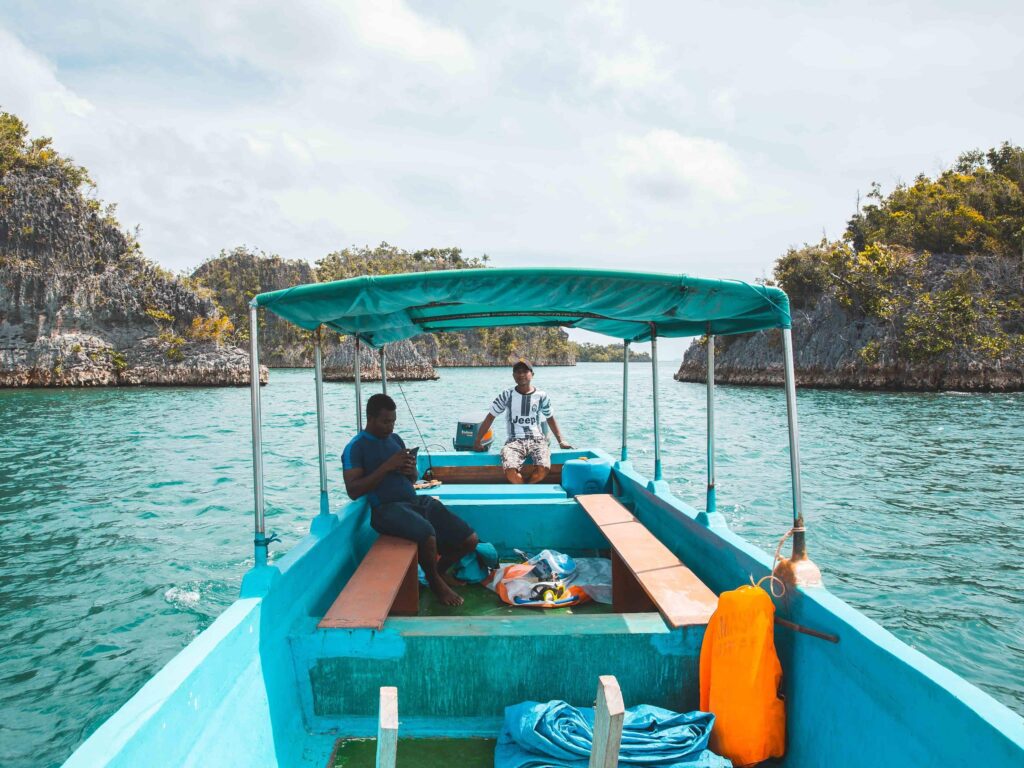
Boats connect Waisai with larger islands, while homestays often arrange transfers to smaller locations. Travel here requires planning because distances are long and schedules limited. However, slow travel suits the region’s natural rhythm. Choosing a few key bases — Waigeo, Gam, Arborek, and Misool — makes it easier to experience top Raja Ampat highlights without rushing.
Where to Stay in Raja Ampat
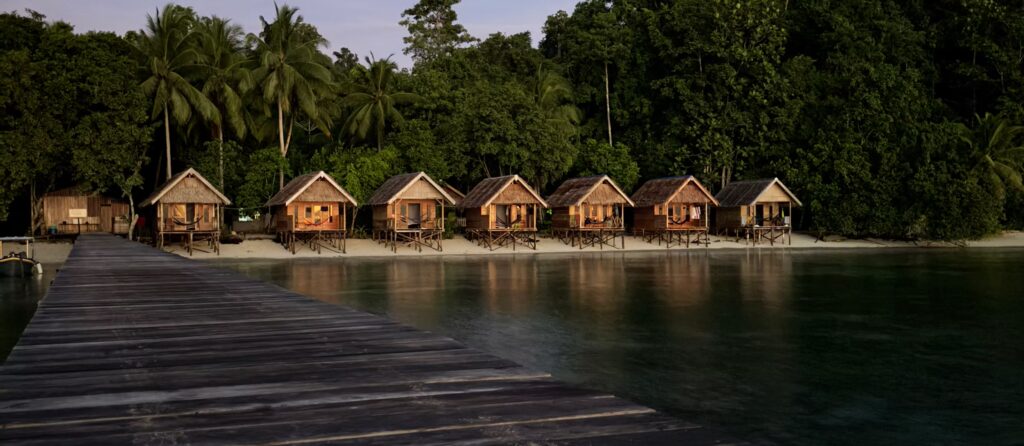
Accommodation ranges from simple overwater homestays to eco-resorts on private islands. Homestays provide local food, traditional bungalows, and direct access to reefs. Upscale lodges offer comfort in remote settings while supporting conservation. Staying close to the water allows visitors to enjoy sunrise, calm seas, and nighttime stars — essential to the experience of Raja Ampat.
Final Thoughts on Exploring Raja Ampat
Raja Ampat remains one of the world’s most extraordinary island regions. Coral reefs, hidden lagoons, limestone towers, and warm Papuan hospitality create a travel experience that feels both wild and peaceful. The best things to do in Raja Ampat blend exploration, respect, and slow movement — qualities that make this destination unforgettable.