
El Born Barcelona
Exploring the Neighbourhood’s Energy and Narrow Streets
El Born Barcelona is one of the city’s most atmospheric districts, shaped by medieval alleyways, artisan workshops and small plazas that open suddenly between the old stone buildings. The neighbourhood balances history with a lively cultural rhythm, making it easy to drift from museums to tapas bars and from quiet corners to vibrant streets. Its compact layout encourages slow wandering, with each turn revealing another detail of the old city.
The Basilica of Santa Maria del Mar
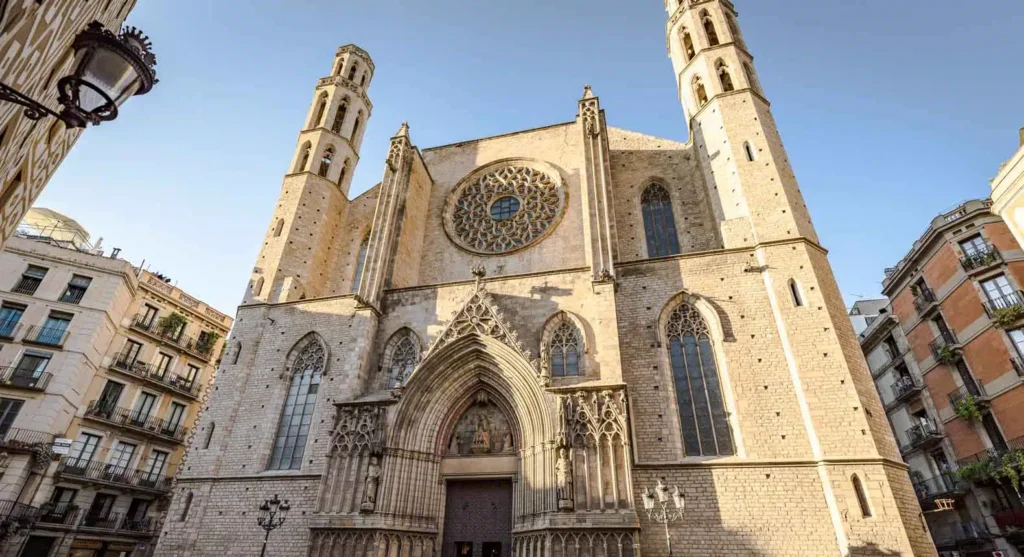
Santa Maria del Mar is one of El Born Barcelona’s most impressive Gothic churches, known for its soaring interior and soft, filtered light. The structure feels calm despite its scale. Furthermore, the simplicity of its design creates a sense of openness uncommon in Gothic architecture. Many visitors enter briefly and stay longer than expected. They are drawn by the subtle atmosphere that fills the space throughout the day.
Passeig del Born and the Neighbourhood Squares
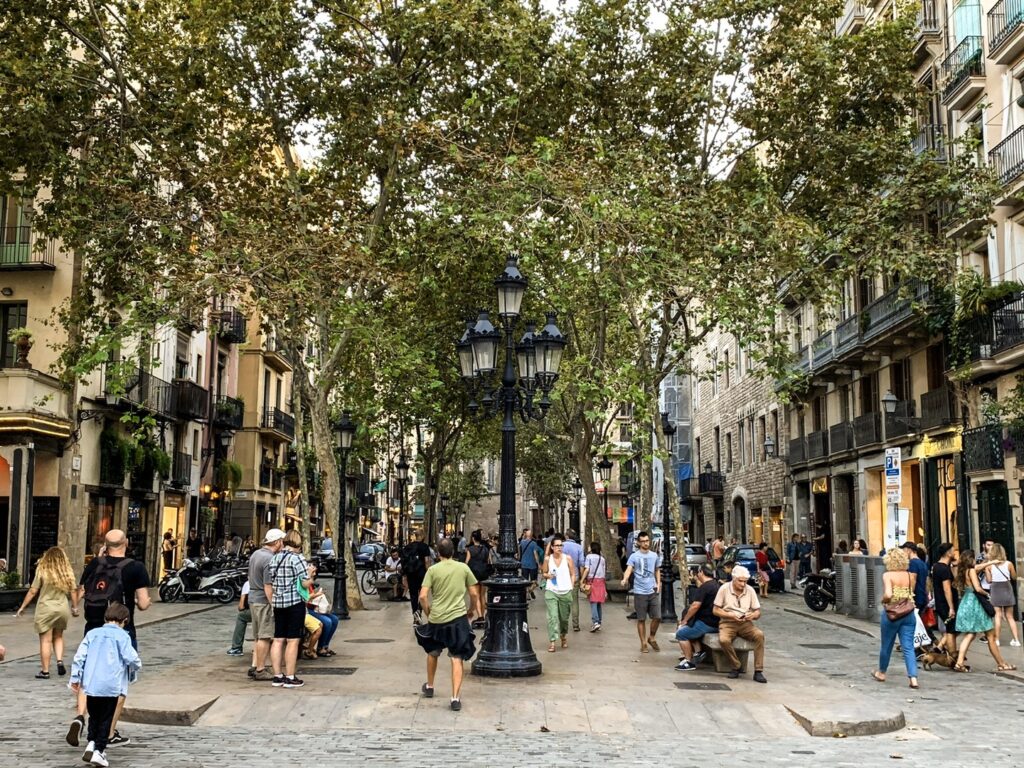
Passeig del Born runs through the heart of the district and remains one of its most recognisable streets. Terraces line the walkway, and the surrounding side streets hold cafés, small bakeries and independent shops. The area becomes especially atmospheric in the early evening. At this time, the light softens, and the narrow streets glow with warm tones. Small plazas nearby, such as Plaça de Sant Agustí Vell, offer quieter moments and a slower rhythm.
El Born Centre de Cultura i Memòria
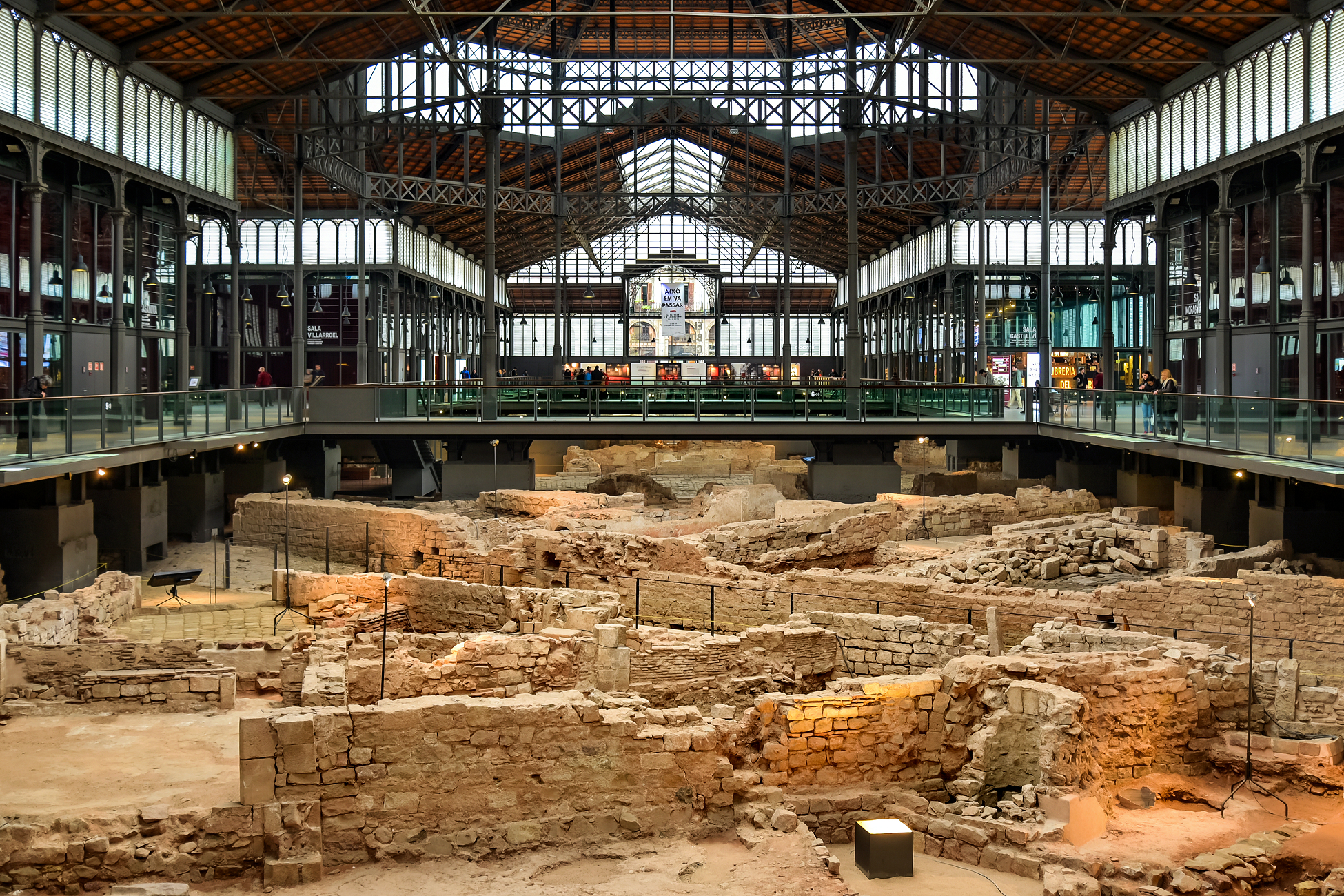
The El Born Centre sits above the archaeological remains of the 1700s city, preserved beneath a cast-iron market hall. Walking along the raised platforms gives a clear view of the excavated streets and homes. This offers insight into Barcelona’s past. Exhibitions explore the cultural and political history of the city, and the building’s open structure allows visitors to take in the space at their own pace.
Picasso Museum
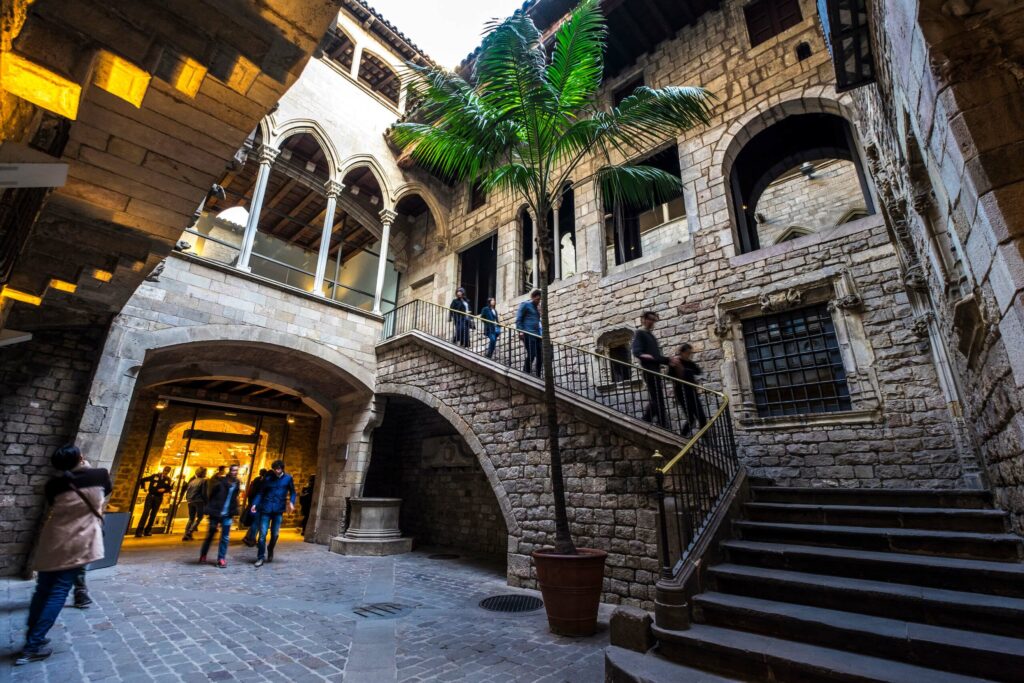
The Picasso Museum in El Born Barcelona occupies several connected medieval palaces and presents one of the largest collections of the artist’s early works. The courtyards and stone corridors create a setting that feels closely linked to the old neighbourhood. The collection traces Picasso’s early formation. It shows how his style evolved during his time in Barcelona. Because the museum spans multiple buildings, each section has a slightly different atmosphere.
Artisan Shops and Small Boutiques
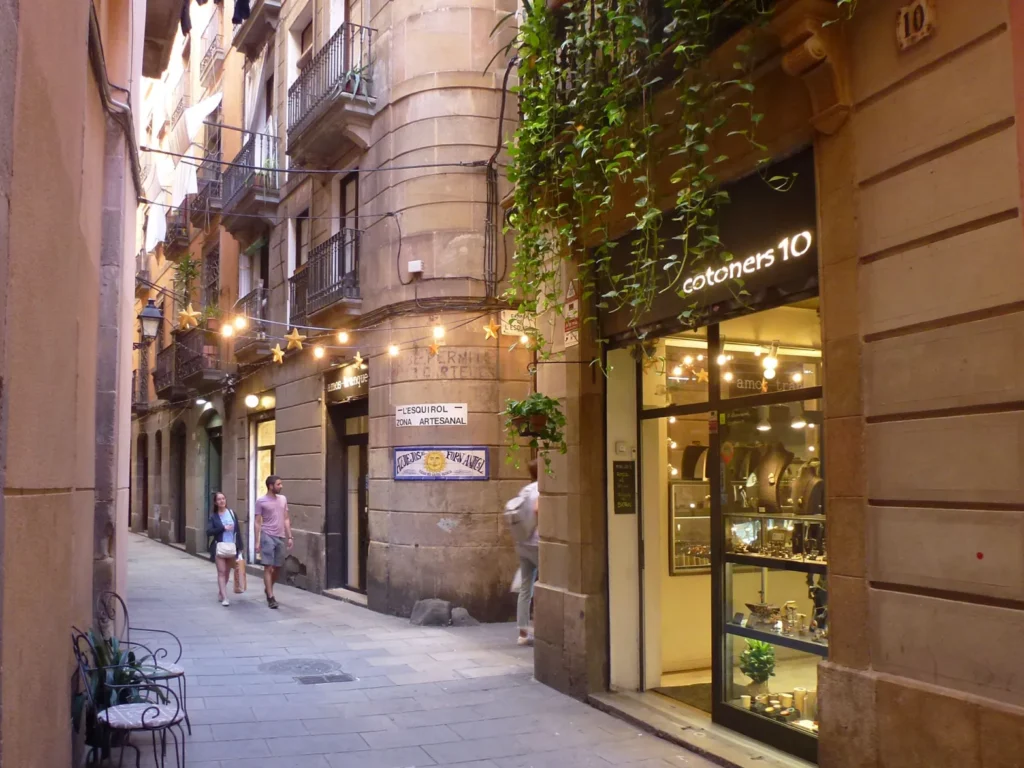
El Born Barcelona is known for its independent shops, ranging from ceramics and leather goods to small designer studios and bookshops. Many of the workshops sit behind modest doorways, making the discovery part of the experience. The area suits travellers who enjoy browsing slowly rather than visiting large, polished stores. The mix of handmade goods and small galleries reflects the neighbourhood’s creative energy.
Tapas and Local Food Culture in El Born
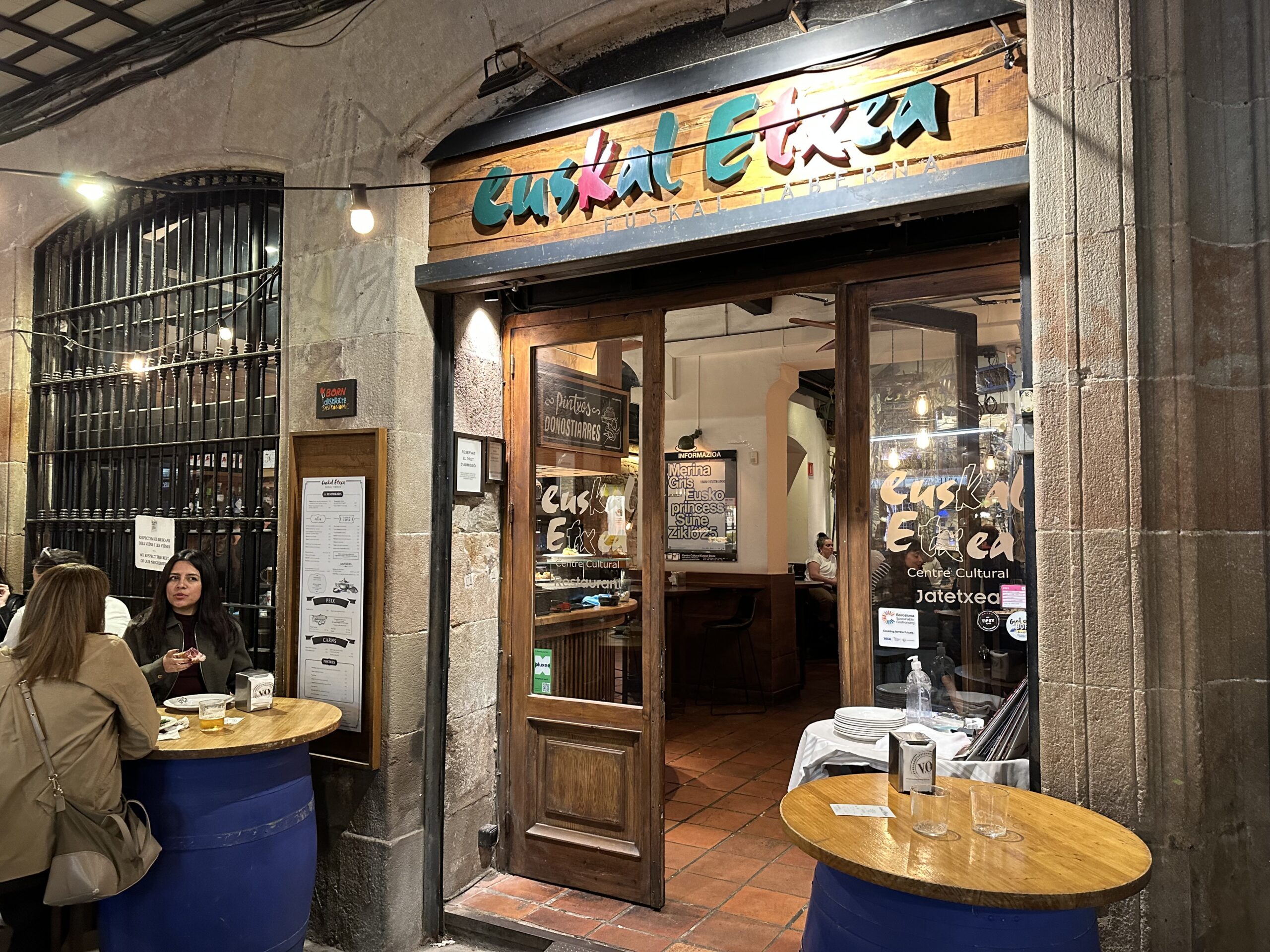
Food plays a natural role in daily life in El Born Barcelona. The neighbourhood is filled with tapas bars, wine spots and small restaurants that blend Catalan and Mediterranean flavours. Narrow streets hide casual eateries with grilled seafood, montaditos and familiar local dishes. Many travellers explore the area through its food. Thus, the district connects well with your DIY Tapas Tour Barcelona, which follows the rhythm of these streets and highlights the neighbourhood’s mix of tradition and contemporary flavours.
Parc de la Ciutadella
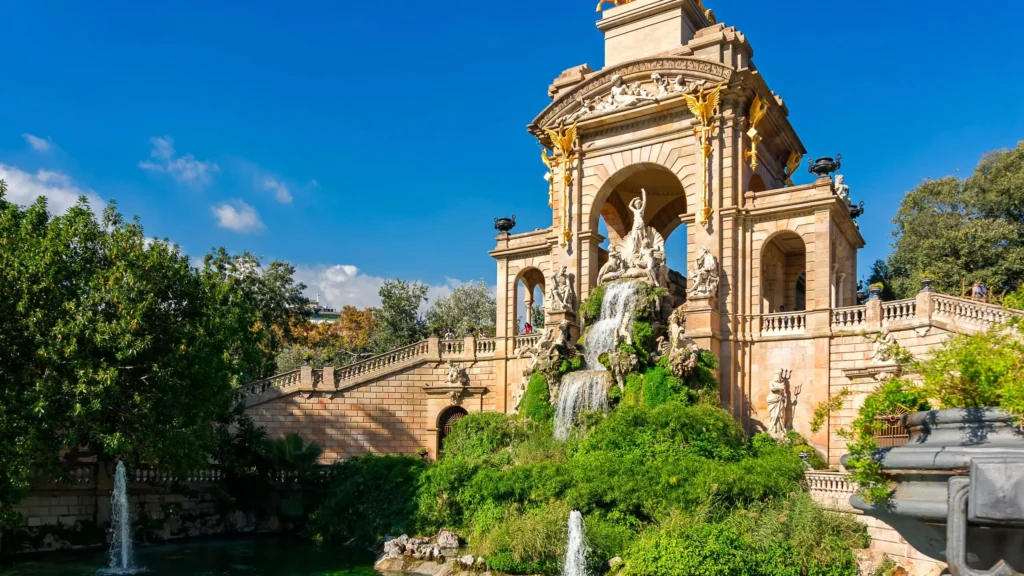
Just beyond the edges of the neighborhood lies Parc de la Ciutadella, one of Barcelona’s most open and inviting green spaces. Shaded paths weave between ponds, lawns and palm-lined corners, offering a calm contrast to the narrow streets of El Born. The park’s most striking landmark is the Cascada Monumental, a grand 19th-century fountain shaped by classical design and elaborate sculptural details. Parts of its early hydraulic structure were developed by a young Antoni Gaudí, adding an unexpected link between this green landscape and the beginnings of his architectural career. Although the fountain often draws attention, the wider gardens and quiet walkways make the park a natural extension of any visit to the district.
Chocolate Museum
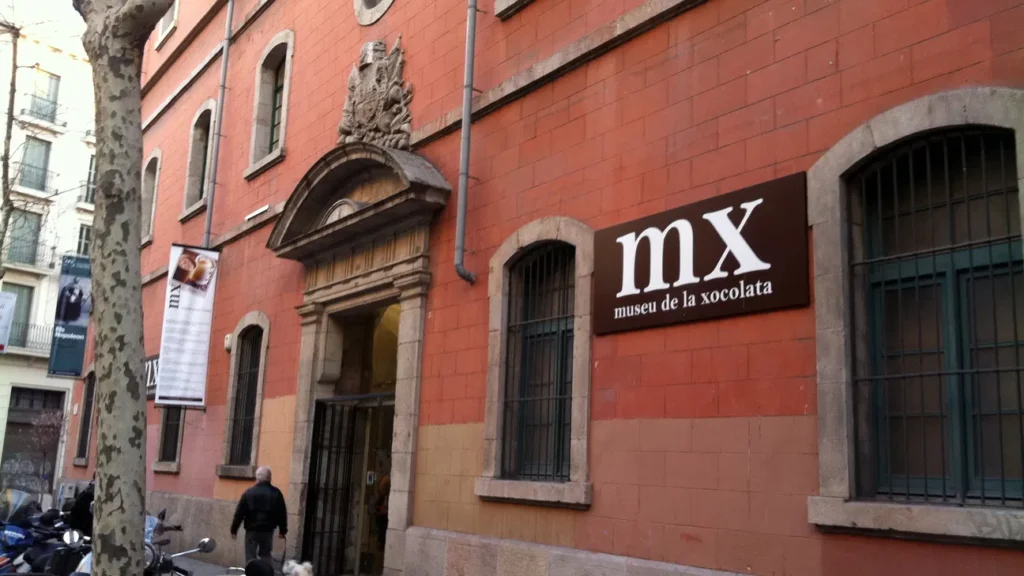
The Chocolate Museum adds an unexpected note to the neighbourhood, presenting the history of chocolate through sculptures, tools and displays. Although compact, the museum appeals to visitors who enjoy unusual cultural stops and offers a light contrast to the more historic sites nearby.
Why El Born Barcelona Is Worth Exploring
El Born Barcelona blends medieval architecture, cultural institutions and a warm, local food culture into a walkable district filled with character. The neighbourhood’s narrow streets reveal a different rhythm of the city. This rhythm is shaped by craft traditions, historical depth and the soft, lively energy of the old town. It remains one of the most rewarding areas to explore, especially for travellers drawn to history, atmosphere and the subtle details of daily life.