
Gaudi Architecture in Barcelona
Exploring Barcelona’s Modernist Masterpieces
Gaudi architecture in Barcelona shaped the way the city looks and feels, and many travellers explore his buildings to understand how one architect influenced an entire urban identity. Because his works combine natural forms, colour, craftsmanship and engineering, they create spaces that feel alive. This extended guide brings together all major, minor and lesser-known Gaudí projects in and around Barcelona, offering a complete overview for anyone interested in modernist architecture.
Sagrada Família and Gaudi Architecture in Barcelona
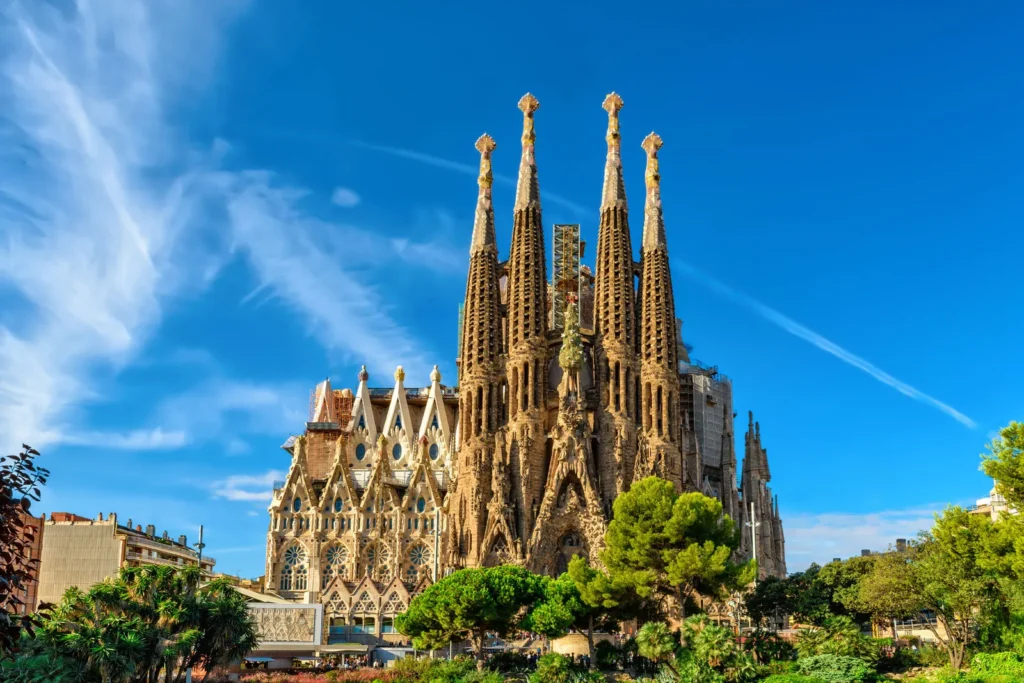
The Sagrada Família remains the most iconic example of Gaudi architecture in Barcelona. Its towering façades, symbolic sculptures and forest-like interior create an atmosphere of movement and light. Coloured glass shifts throughout the day, making the basilica feel different with every visit. Although still unfinished, it stands as one of the most significant architectural works of the modern era.
Park Güell and Modernist Architecture in Barcelona
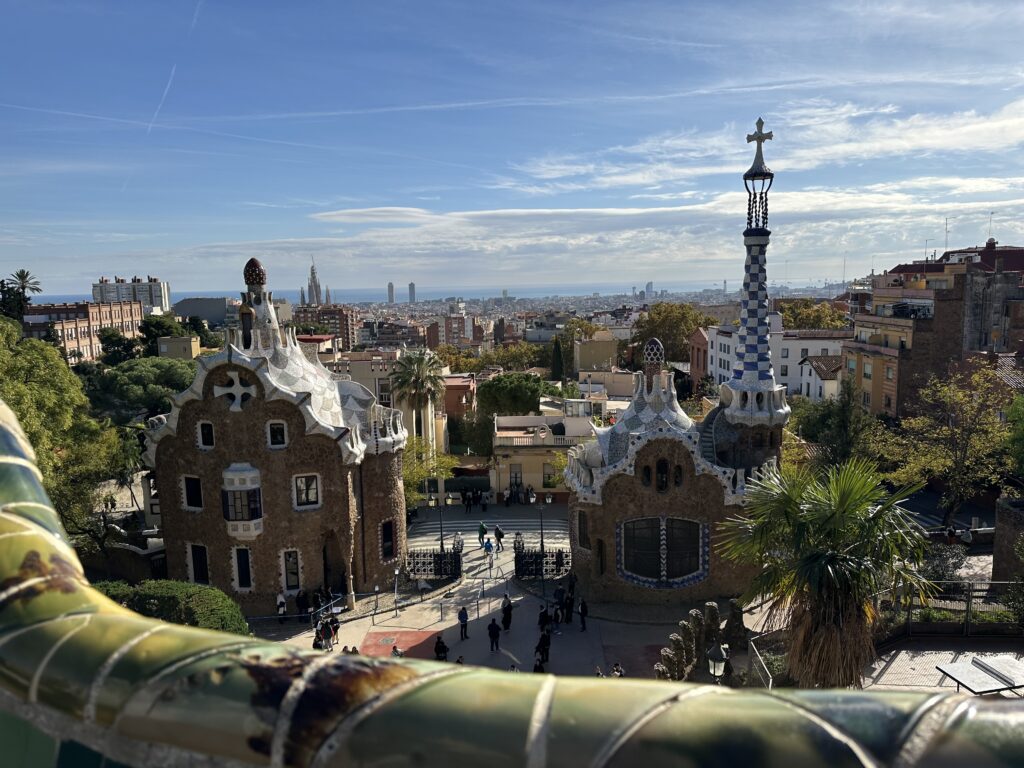
Park Güell plays a central role in Gaudi architecture in Barcelona. The monumental zone features mosaic benches, organic columns and flowing surfaces. Surrounding paths offer quieter corners, and moreover, the elevated position provides panoramic views that link Gaudí’s work to the broader landscape.
Casa Batlló: a Gaudí Landmark in Barcelona
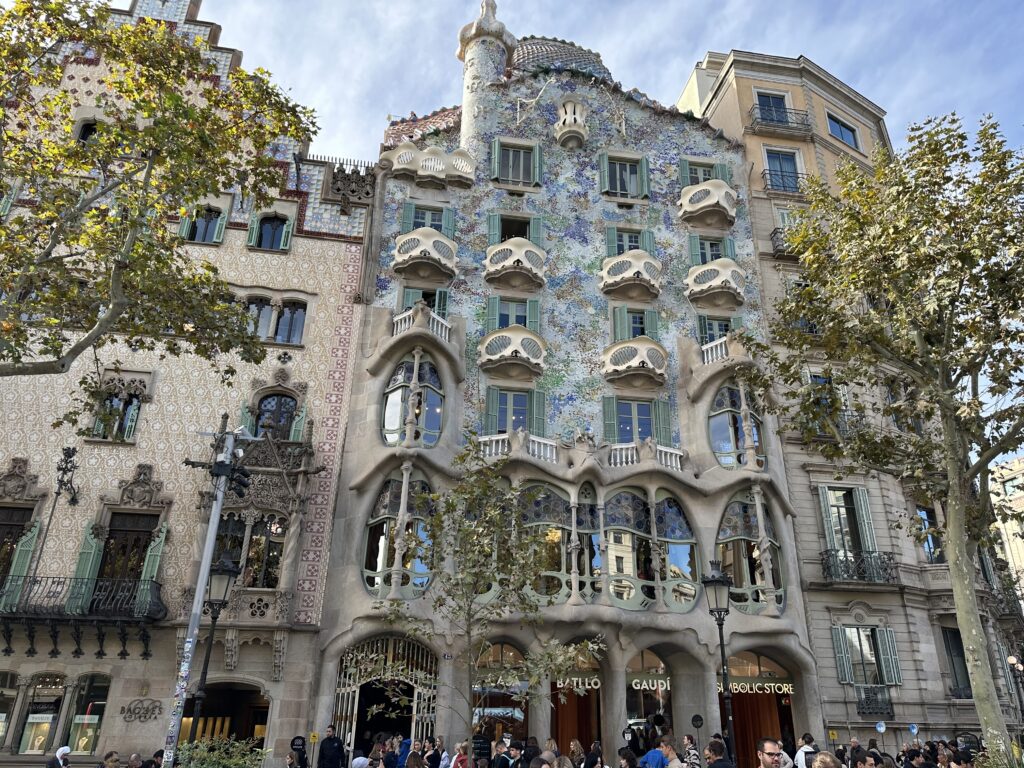
Casa Batlló shows how Gaudi architecture in Barcelona turned an existing building into a fluid, organic structure. The façade resembles scales or waves, and the interior directs light through curved spaces. The rooftop, inspired by a dragon’s back, adds a mythical element that enhances the building’s character.
Casa Milà (La Pedrera) and Organic Architecture
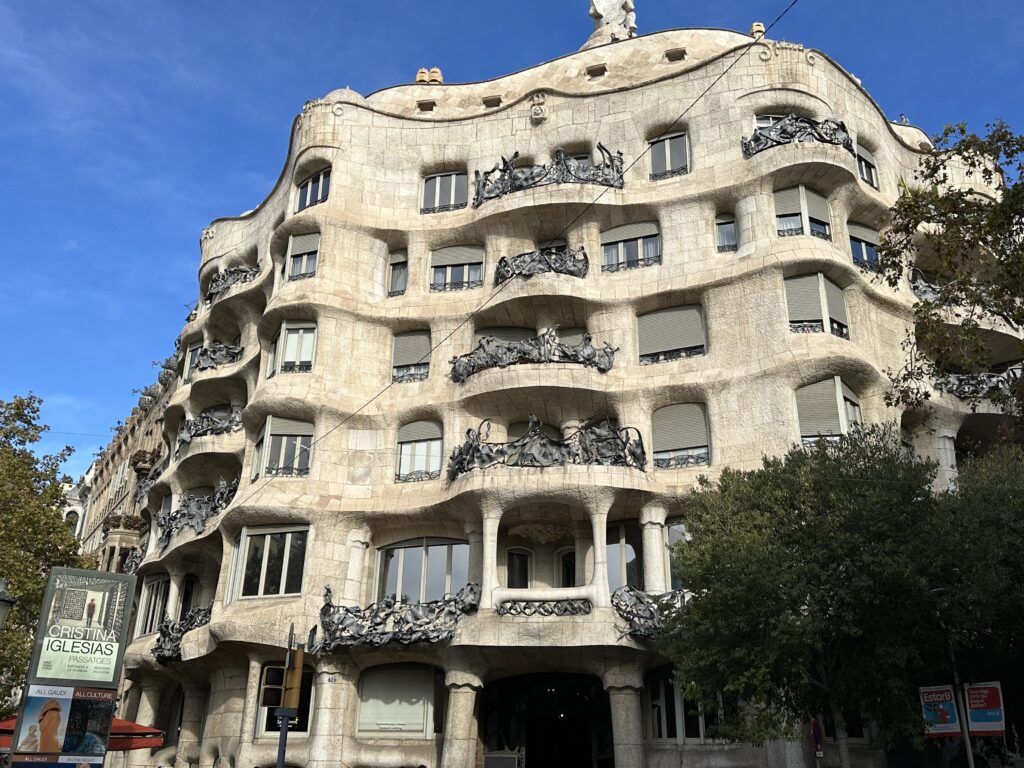
Casa Milà, often referred to as La Pedrera, is one of the most defining examples of Gaudi architecture in Barcelona. The nickname La Pedrera, meaning “the stone quarry,” comes from its rough, undulating stone façade, which resembles natural rock shaped by time and erosion. Because the building has almost no straight lines, it feels organic, as if it were carved from a single geological formation.
Inside, Gaudí continued this fluid approach. Curved floor plans, open courtyards and careful attention to natural ventilation reveal how he designed the building around light and airflow. The rooftop, with its sculptural chimneys and warrior-like forms, creates a surreal landscape above the city. As a result, La Pedrera stands as one of Gaudí’s most innovative and instantly recognisable works.
Casa Vicens: The Beginning of Gaudí’s Style
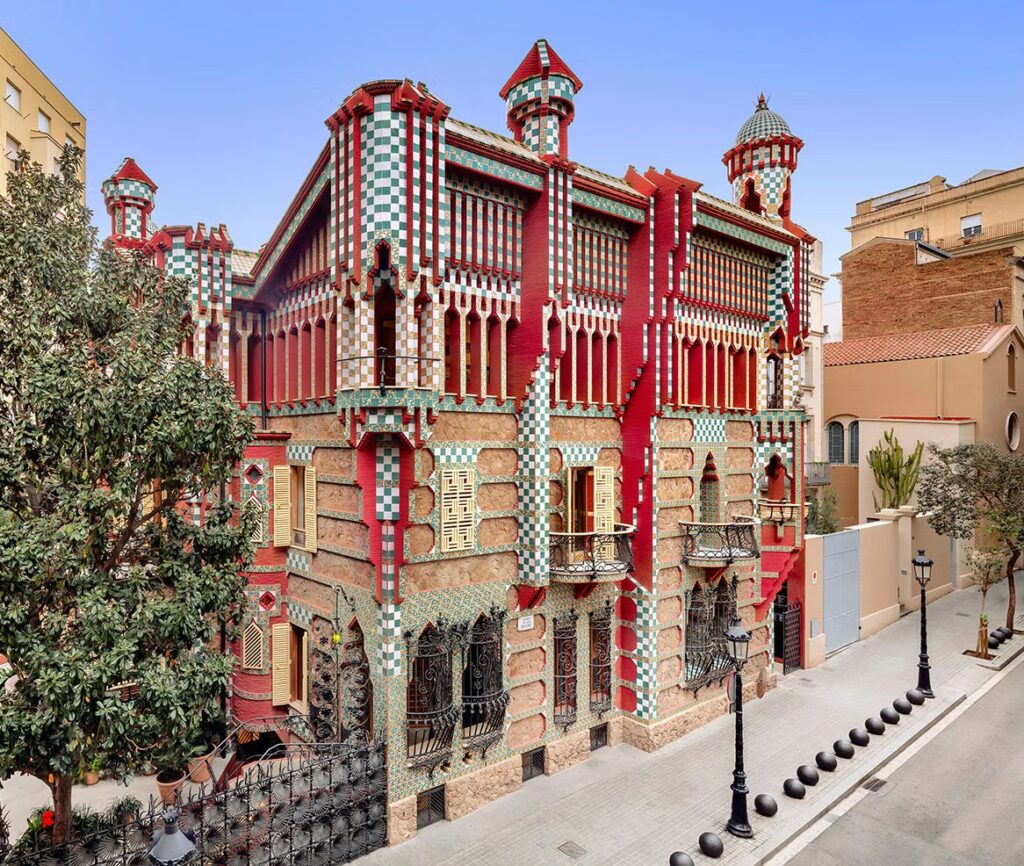
Casa Vicens marks the starting point of Gaudi architecture in Barcelona. The building blends Moorish influences, bright tilework and geometric decoration. Because it sits slightly away from the busiest streets, it offers a more peaceful introduction to Gaudí’s early ideas.
Casa Calvet: A Traditional Side of Gaudi Architecture
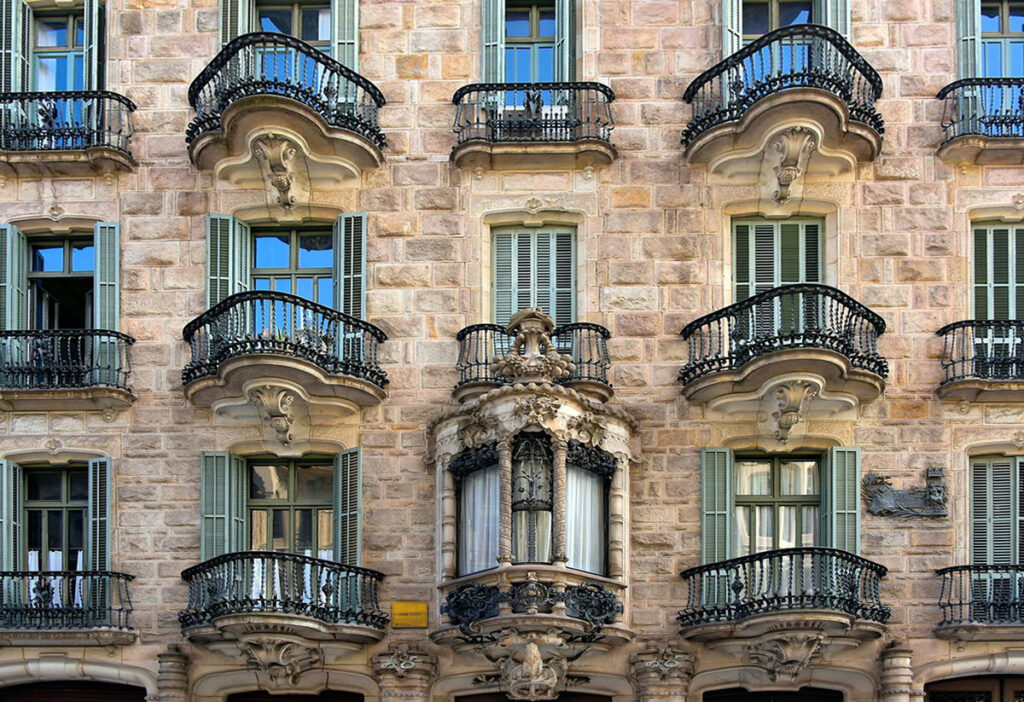
Casa Calvet is one of the most traditional-looking examples of Gaudi architecture in Barcelona. It follows stricter municipal guidelines yet still includes elegant curves and symbolic stonework. The building proves Gaudí’s ability to adapt his style without losing identity. There is no single official website for Casa Calvet because it is a privately owned building.
Torre Bellesguard: A Lesser-Known Gaudí Work
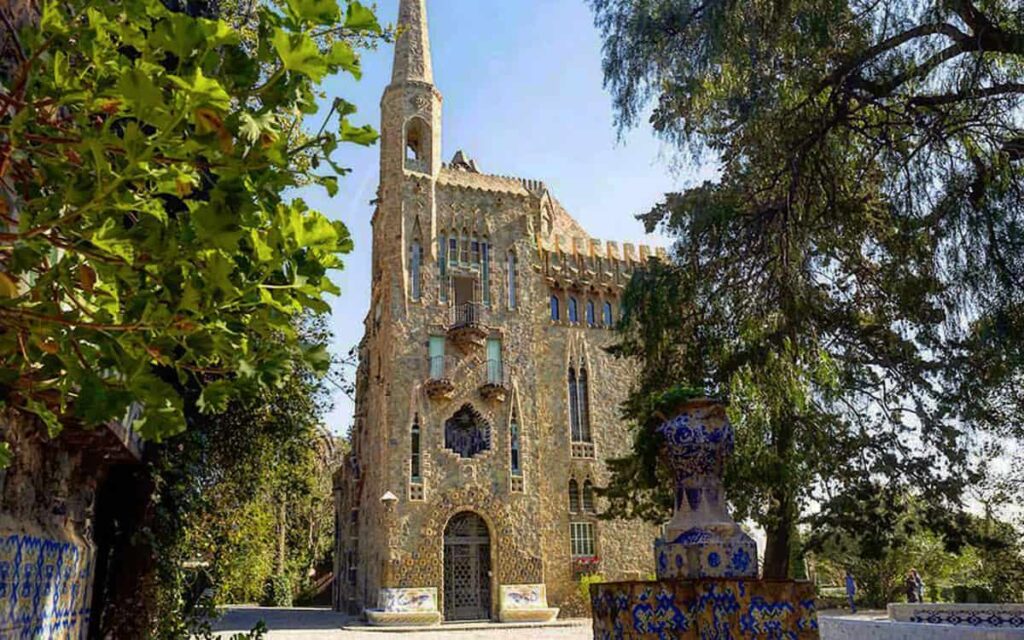
Torre Bellesguard offers a quieter example of Gaudi architecture in Barcelona. The building mixes straight lines, medieval symbolism and modernist detail. Its terraces provide broad views over the city, making it ideal for travellers seeking less crowded Gaudí sites.
Colònia Güell Crypt: Experimental Gaudi Architecture
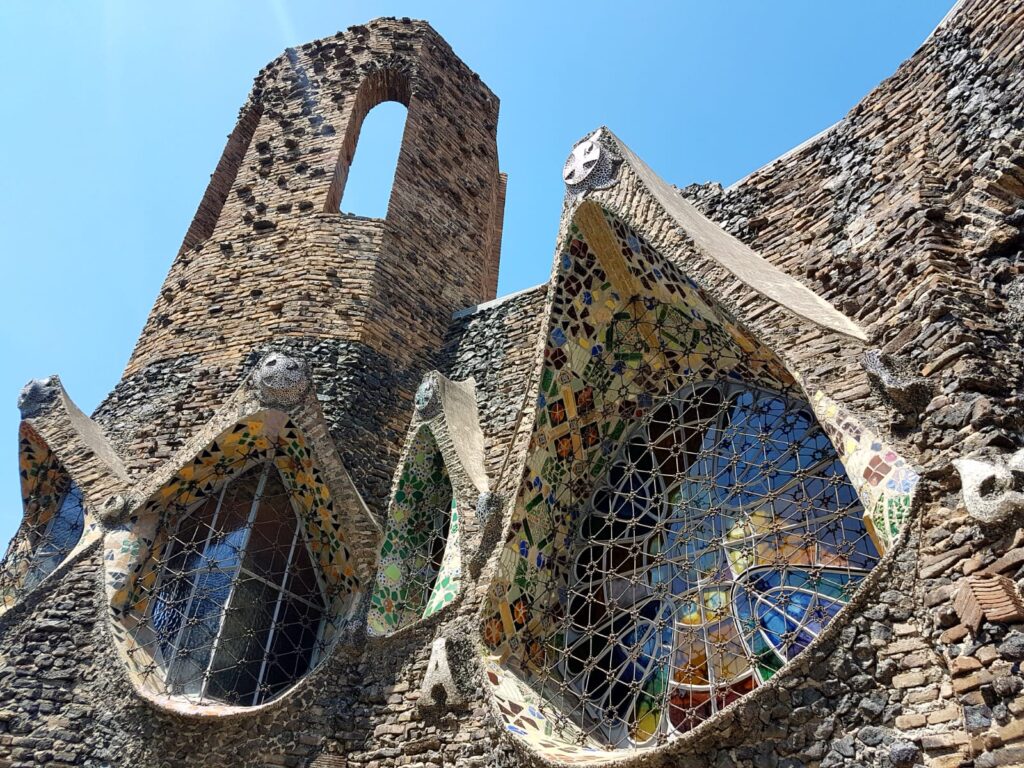
The Colònia Güell crypt reveals another side of Gaudi architecture in Barcelona. Located just outside the city, it served as a testing ground for structural techniques later used in the Sagrada Família. Sloping columns, organic arches and innovative forms highlight Gaudí’s engineering talent.
Gaudí House Museum: Personal Insights
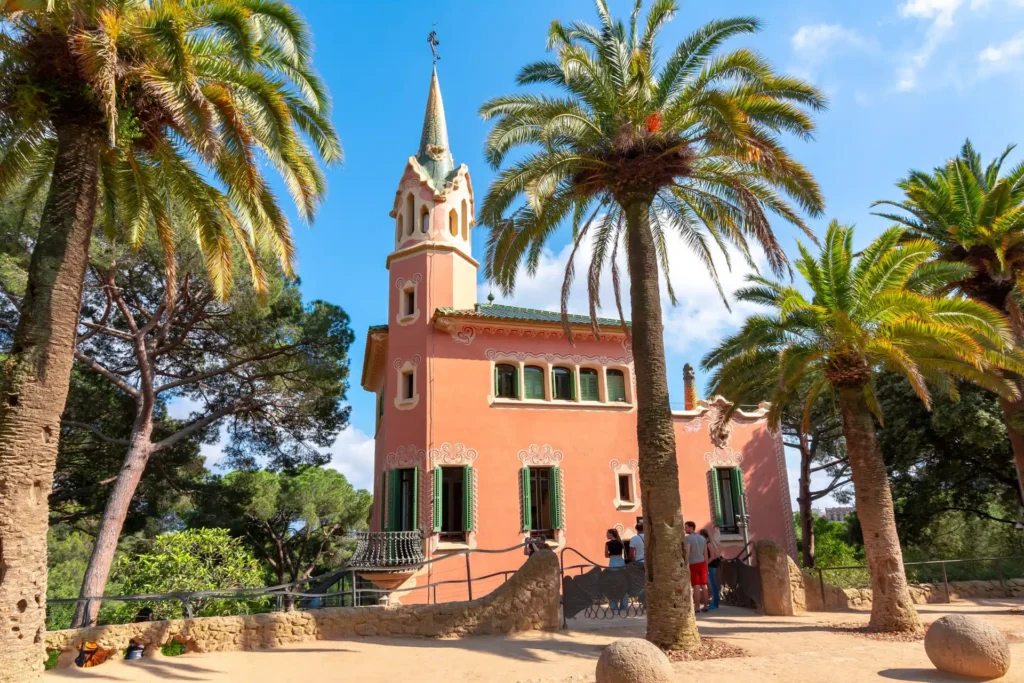
The Gaudí House Museum in Park Güell presents furniture, drawings and personal objects that add context to Gaudi architecture in Barcelona. The modest design contrasts with his monumental works and shows how he lived and worked.
Plaça Reial Street Lamps: Early Gaudí Design
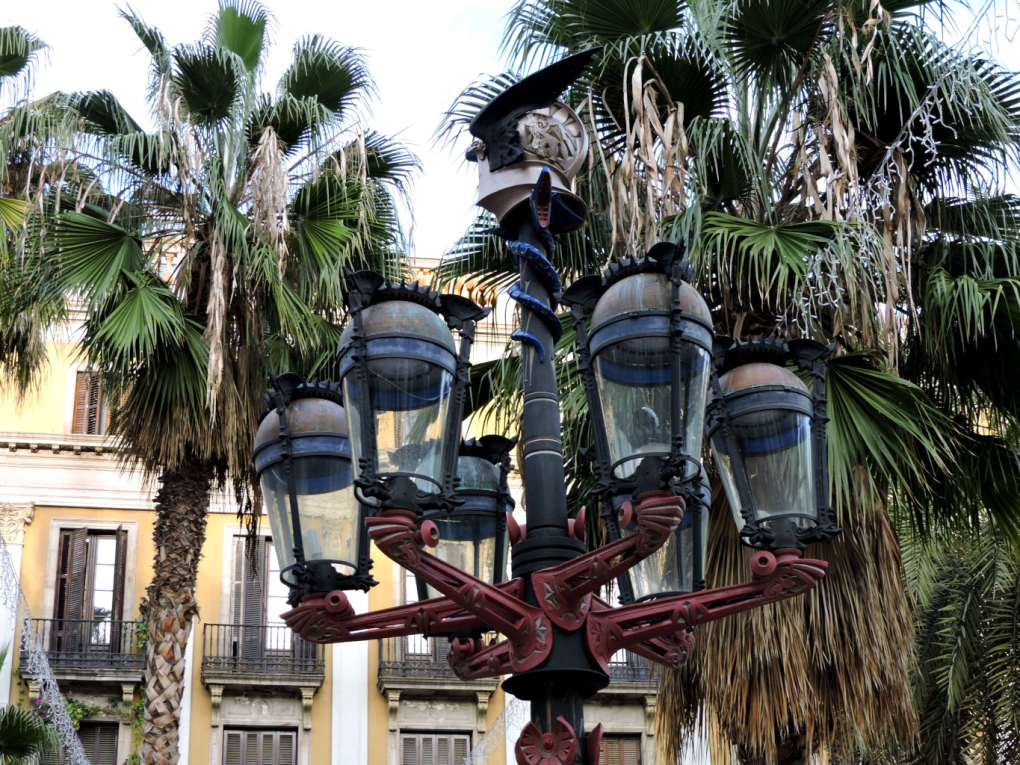
The early street lamps on Plaça Reial demonstrate the origins of Gaudi architecture in Barcelona. These decorative iron pieces combine symbolism and craftsmanship in a functional object, marking one of Gaudí’s first public commissions.
Portal Miralles: A Hidden Gaudí Entrance
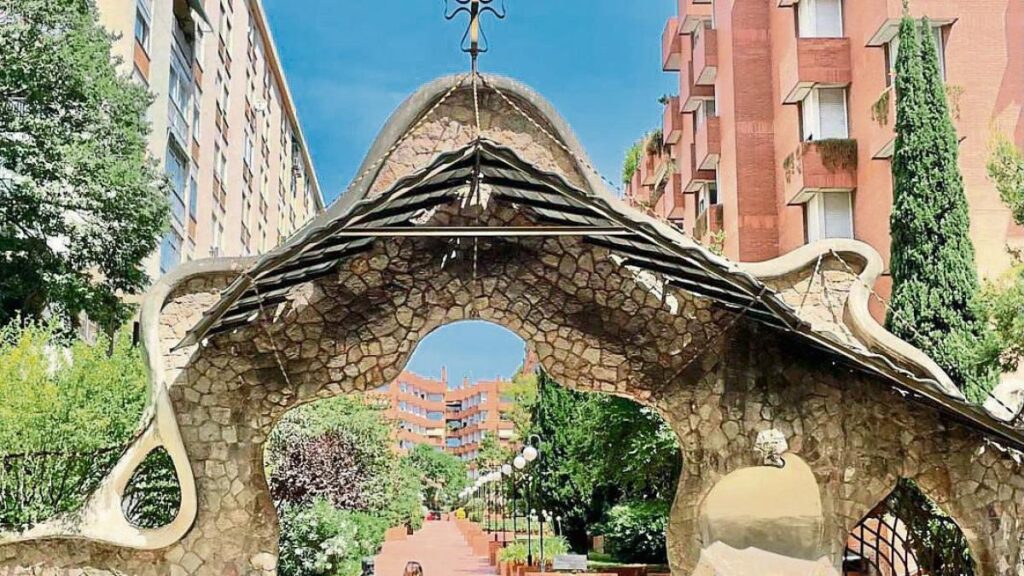
Portal Miralles offers a small yet distinctive example of Gaudi architecture in Barcelona. The undulating wall and sculptural entrance arch show how Gaudí could transform even simple urban elements into expressive shapes.
Finca Güell Gate and Pavilions: Symbolic Ironwork
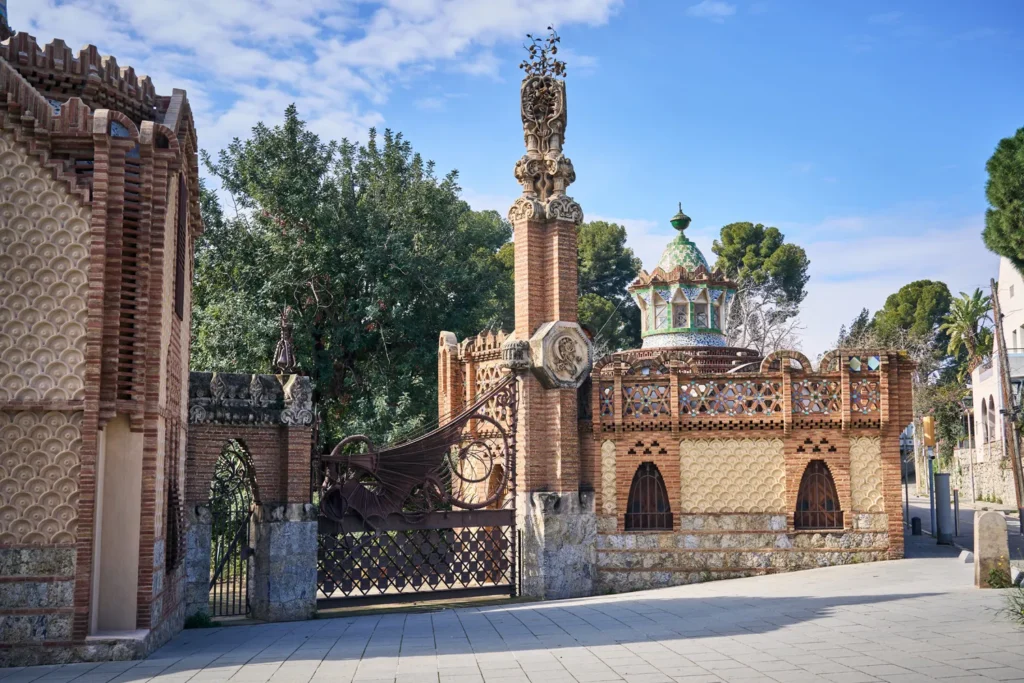
The gate and pavilions of Finca Güell form another early expression of Gaudi architecture in Barcelona. The iron dragon gate attracts attention for its bold design, while the pavilions combine brick, ceramic and curved forms that highlight Gaudí’s evolving aesthetic.
Bellesguard Viaduct: Landscape Architecture
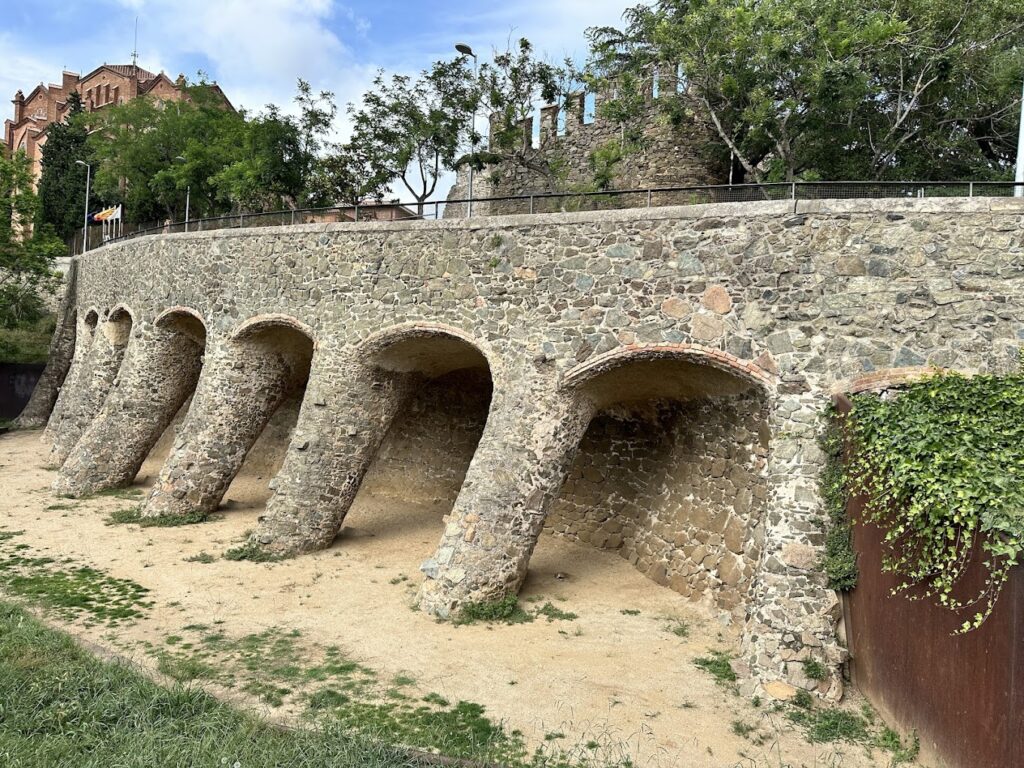
The Bellesguard Viaduct stands near Torre Bellesguard and showcases Gaudí’s ability to integrate architecture with natural surroundings. Built from local stone, the structure blends into the hillside and reveals his deep respect for landscape design.
Cooperativa Obrera Mataronense: Industrial Gaudí
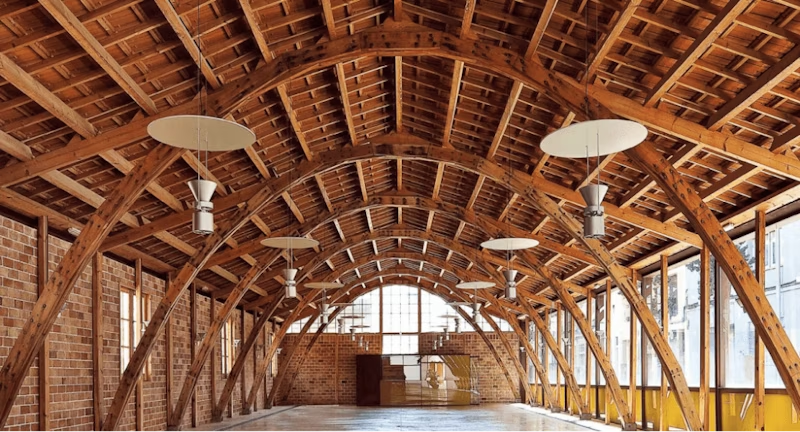
Although less known, the Cooperativa Obrera Mataronense represents another facet of Gaudi architecture in Barcelona. The preserved industrial elements show his experimentation with brick structures and practical layouts early in his career.
Sagrada Família Schools: Functional Gaudí Design
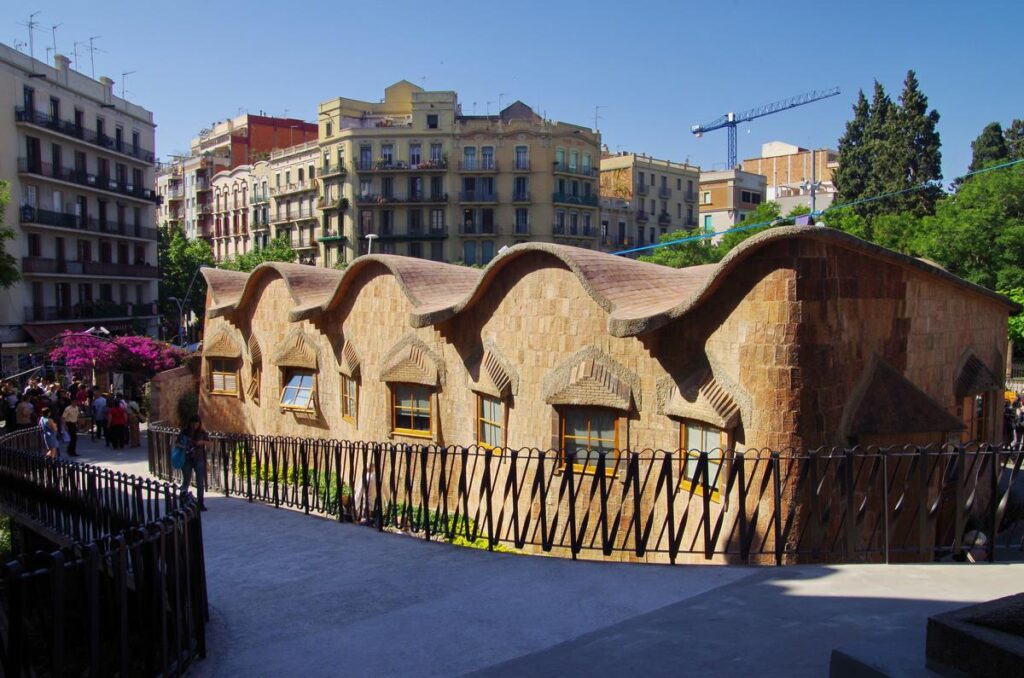
The Sagrada Família Schools illustrate how Gaudi architecture in Barcelona extended to educational buildings. The curved roof improves drainage and stability, while the simple interior focuses on light and function.
Colònia Güell Site: Broader Gaudí Experiments
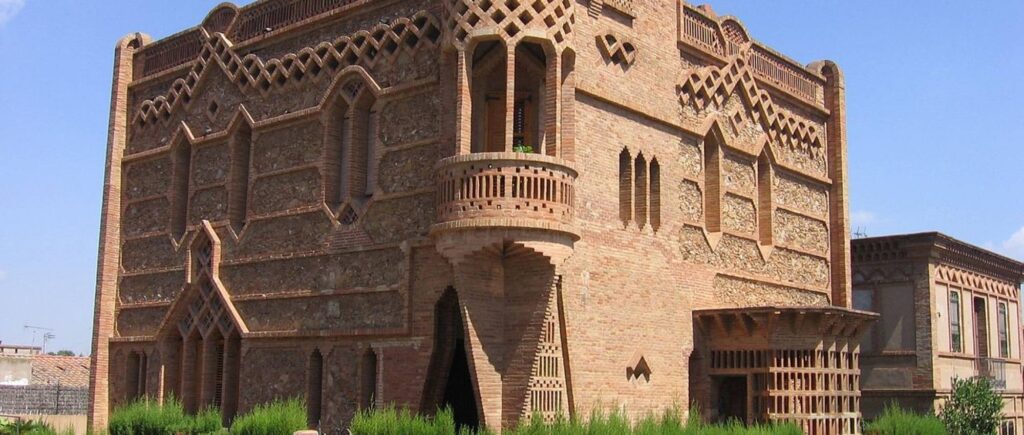
The wider Colònia Güell site includes additional structures that support Gaudí’s experiments with natural forms. These elements, although modest, show how his ideas grew through practical trials.
Nature as the Foundation of Gaudi Architecture
Across every example of Gaudi architecture in Barcelona, nature acts as the central influence. Columns resemble trees, façades echo waves or rock formations and railings mimic organic textures. This approach creates harmony between structure and environment.
Planning a Route Through Gaudi Architecture in Barcelona
Because the most famous buildings attract large crowds, planning helps create a calm and enjoyable route. Early mornings or late afternoons offer ideal visiting moments. The Eixample district makes it easy to combine Casa Batlló, Casa Milà and Casa Calvet. Meanwhile, quieter sites such as Portal Miralles and Torre Bellesguard provide space for reflection. Spreading visits over several days helps maintain focus and appreciation.
The Lasting Impact of Gaudí’s Architectural Vision
Together, all examples of Gaudi architecture in Barcelona show how deeply his ideas shaped the city. His structures continue to inspire architects and travellers, forming a living narrative of Barcelona’s identity. Through texture, geometry and imagination, Gaudí created buildings that remain relevant and admired around the world.